
Prototype Development Partnership
Improving On-Time Delivery Through Process & People
Precision Machine Shop
The Problem We Had to Solve
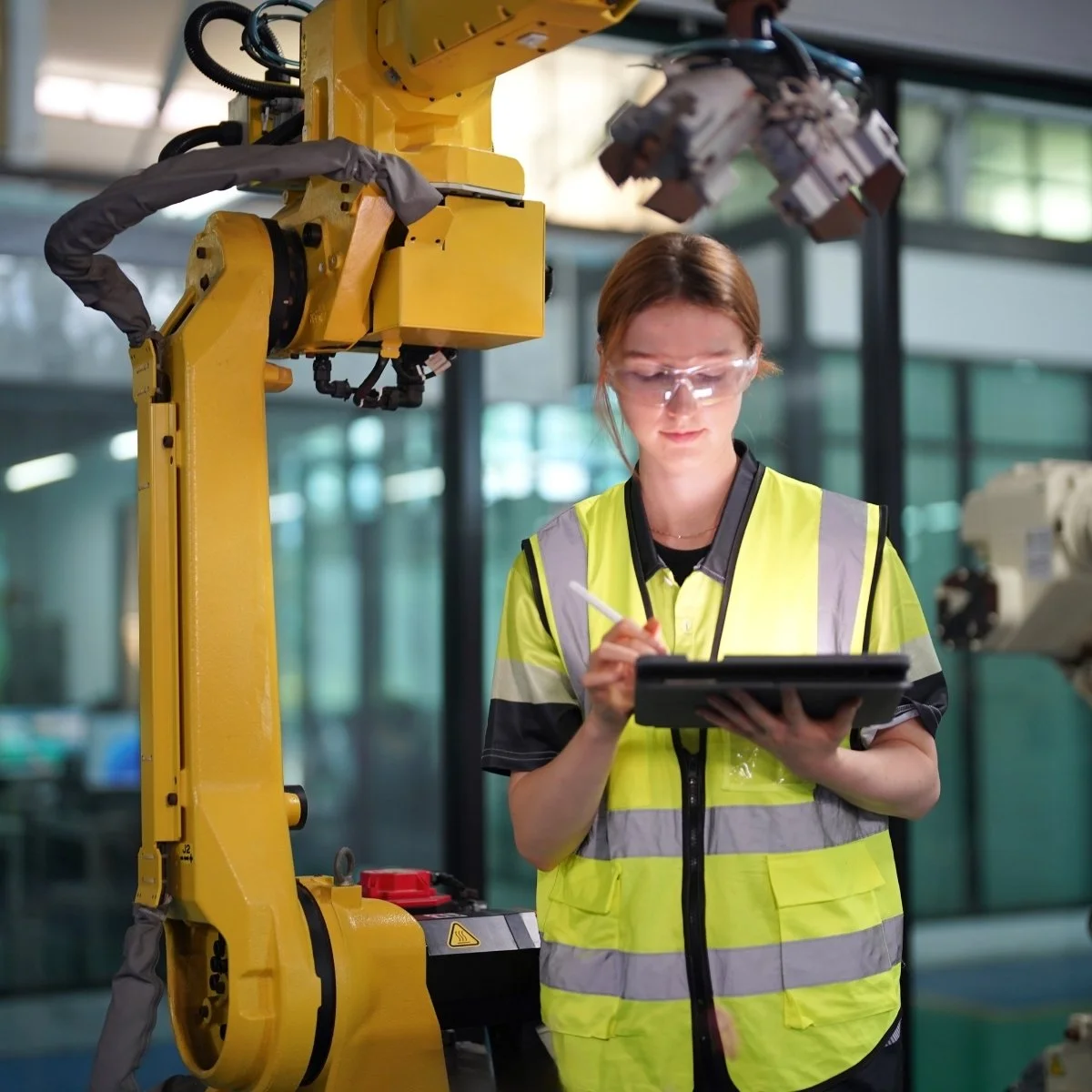
Urban’s prototype development team operates in a high-mix, fast-moving machine shop environment. The work is complex, highly customized, and often urgent—making traditional “one-size-fits-all” process improvements ineffective.
The team wasn’t struggling because of effort or capability. They were struggling because the system made it hard to see problems clearly.
Key challenges included:
On-time delivery was inconsistent
Work priorities shifted frequently
Problems were discovered late instead of early
Teams were constantly reacting, which impacted morale and focus
Leadership didn’t want a quick fix. They wanted a true partnership—one that respected the realities of prototype work while improving delivery, flow, and team experience.

This engagement was designed as a longer-term partnership, not a one-time event. Instead of jumping straight to solutions, we focused first on understanding the system and the people inside it.
How We Approached the Work
This engagement was designed as a longer-term partnership, not a one-time event. Instead of jumping straight to solutions, we focused first on understanding the system and the people inside it.
Our Belief
You can’t improve what you can’t see
Sustainable improvement requires trust and shared understanding
Slow, thoughtful experimentation beats fast, forced change
What We Did
Discovery: Understanding Process and People
We started with a period of deep discovery:
Observing how work flowed through the prototype team
Listening to machinists, engineers, and leaders
Understanding where work stalled, shifted, or broke down
Identifying how people experienced the system day to day
This helped us define the real problems—not just the visible symptoms.
Experimentation: Making Work Visible
Rather than rolling out tools all at once, we introduced simple mechanisms to help the team see problems earlier.
This included:
Lightweight visual tools to track work and priorities
Clearer signals for capacity, bottlenecks, and handoffs
Small experiments designed to test, learn, and adjust
Changes were implemented slowly and intentionally, giving the team time to adapt and provide feedback.
Problem Solving: Improving the System Together
Once problems became visible, the team was equipped to solve them. Together, we:
Addressed recurring delivery blockers
Improved flow and coordination across roles
Reduced last-minute surprises
Created space for proactive problem solving instead of constant firefighting
Solutions were built with the team—not for them—strengthening ownership and confidence.
The Results
Operational Impact
On-time delivery improved by more than 50%
Productivity increased through better flow and fewer interruptions
Problems surfaced earlier, enabling faster resolution
Work became more predictable—even in a high-variation environment
People Impact
Improved employee experience and morale
Reduced stress from constant rework and urgency
Greater clarity around priorities and expectations
Teams felt more in control of their work
The improvements supported both performance and the people doing the work.
Why This Worked
This partnership succeeded because it respected reality.
Prototype work remained flexible and adaptive
Tools were introduced only when they added value
Change moved at a pace the team could absorb
Trust was built before expectations were raised
By combining thoughtful experimentation with hands-on problem solving, the team built improvements that actually stuck.
What This Means for Other Organizations
High-mix, prototype, or R&D environments often assume that delivery challenges are unavoidable. This case shows otherwise.
When teams can:
See their work clearly
Experiment safely
Solve problems together
Even the most complex environments can improve reliability, productivity, and employee experience at the same time.
This work reflects a core belief at The KPI Lab: real improvement happens through partnership, not prescriptions. By focusing on people, process, and learning together, teams can deliver better outcomes—without losing what makes them innovative.
Closing

What teams experience when people and process come together

If you’re facing a problem that feels:
Technically complex
Culturally hard to move
Politically sensitive
Bigger than any one team
That’s often a signal that process alone—or leadership alone—won’t be enough. We’d love to explore it with you.
No sales pitch. Just a thoughtful conversation about what’s possible when people and process move together.